

How UV standards and how your sunglasses fit combine to make eyewear truly protective, especially for low nose bridges
Australia has some of the highest ultraviolet (UV) levels in the world. Spending time unprotected from the sun can cause lasting damage to our skin AND eyes. Yet while most of us have built a sunscreen habit (right?), sunglasses are often treated like an accessory, not the protective tool they really are.
I raise my hand as guilty. I’ve always worn sunglasses for two reasons: 1. To feel put together, depending on the season, they’ve covered everything from hangovers to newborn sleep deprivation and 2. Stop me from squinting on a bright day.
It wasn’t until I started Hyesun that I dug deeper into what lenses actually do to protect us from the sun that I learnt about the protective benefits of sunglasses for our eyes. It’s surprisingly interesting, so let’s take a closer look at the protective side of sunglasses.
First up, what are we protecting our eyes from?
Too much UV from the sun doesn’t just burn your skin or cause ageing; it can damage your eyes too. The Australian Radiation Protection and Nuclear Safety Agency (ARPANSA) confirms that overexposure to solar UV radiation can lead to eye conditions such as Photokeratitis (sunburn of the cornea), Pterygium (sometimes called Surfer’s Eye), Cataracts, and even Skin Cancers on the eyelids and surrounding tissue.
Pterygium is particularly common in high-UV regions like Australia. Studies show a clear link between sunlight exposure and its development, especially among people who spend more time outdoors without protection. The same goes for cataracts, the higher the UV exposure over time, the greater the risk. Simply wearing sunglasses that meet Australia’s safety standards dramatically reduces this risk.
Are all sunglasses protective?
Thankfully, in a country with such high UV, we also have strong safety standards in place. All sunglasses sold in Australia must meet a mandatory standard called AS/NZS 1067.1:2016 a joint Australian and New Zealand regulation that tests how well lenses block UV light.
Whether tinted, polarised, or photochromic, all sunglasses must be tested and labelled accordingly. On the tag, you’ll see a lens category from 0 to 4:
-
Category 0–1: Fashion lenses with little or no UV protection
-
Category 2–3: The sweet spot for daily wear, offering over 95% UV absorption while maintaining visibility
-
Category 4: Extremely dark lenses for high-glare environments (think skiing), but unsafe for driving
Dark tint doesn’t equal protection. The UV filter (not the shade of the lens) is what blocks radiation. That’s why the standard label matters more than colour or price tag.
What about the shape of your sunglasses?
Protection doesn’t stop with the lens. The shape and fit of your sunglasses change how much UV reaches your eyes from the sides or below. Wraparound lenses offer the best coverage.
I love a bit of the Y2K trend, but I can’t quite pull off the wraparound look. Luckily, there’s another solution that I opt for, and that the Cancer Council actually recommends for everyone, which is to pair your sunglasses with a broad-brimmed hat. The Cancer Council notes that this combo can cut UV exposure to your eyes by up to 98%.
Do Polarised sunglasses provide more UV Protection?
Polarised lenses don’t increase UV protection, but they reduce glare from reflective surfaces like water, sand, or roads, which makes them more comfortable for longer wear.
The only catch? You might notice slight distortion while driving because polarisation can interact with some car window tints. Hyesun doesn’t offer polarised lenses yet, but it’s something we’re exploring.
The best sunglasses for low nose bridges
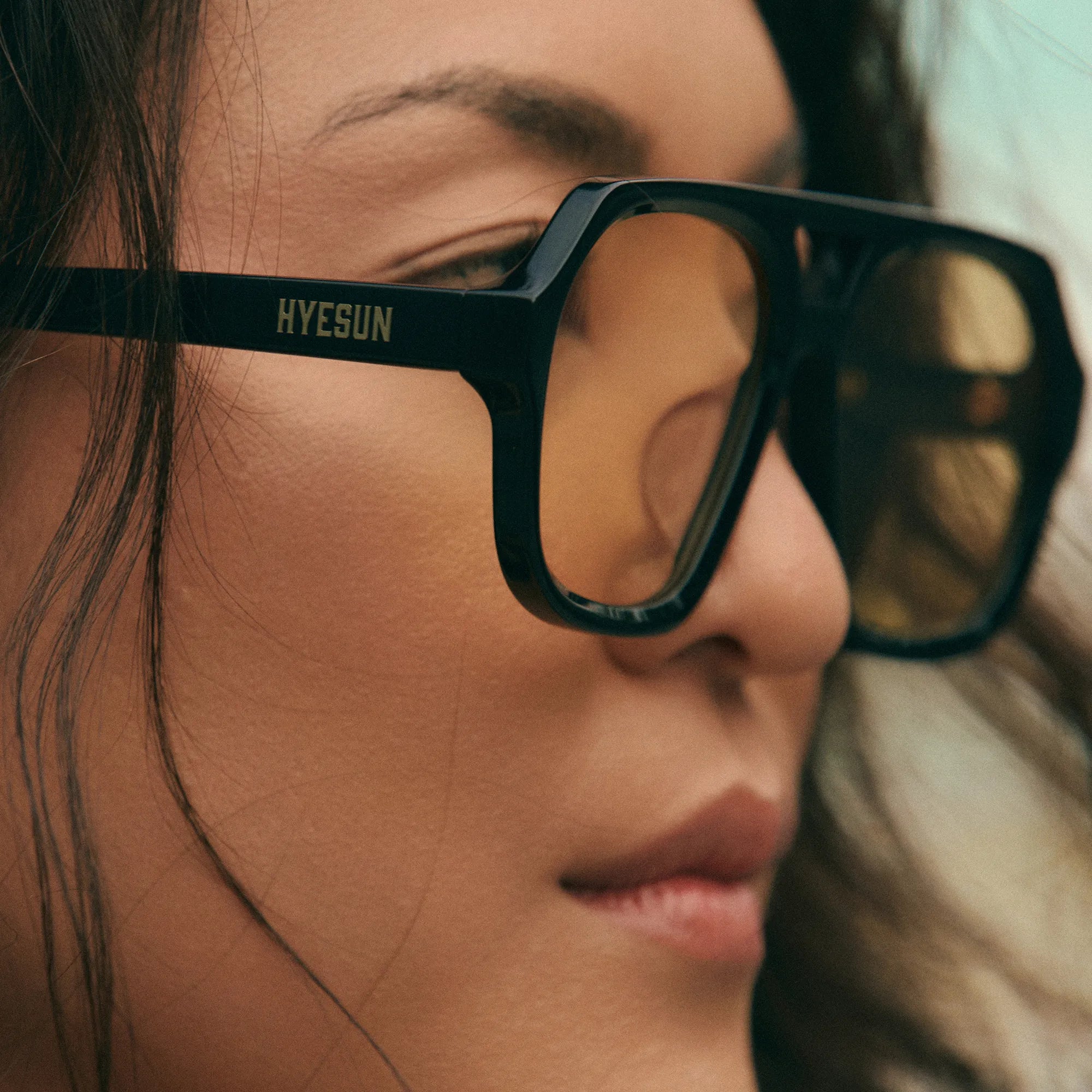
If you have a low nose bridge, you’ve probably noticed that sunglasses tend to rest on your cheeks instead of your nose. When that happens, the front of the frame sits forward and creates a gap between your forehead and the top of the sunglasses. That gap reduces how effectively your sunglasses protect your eyes.
The first step to fixing this issue is finding sunglasses that offer enough bridge support. Look for designs with built-in low-bridge support like ours. This support will lift your sunglasses slightly higher so it sits correctly on your face. If you prefer metal styles, adjustable nose pads can also ensure sunglasses on low nose bridges don't create a gap between your face and the sunglasses.
Unfortunately, most mainstream sunglasses are still made to fit higher, narrower nose bridges, a reflection of how homogenous the eyewear industry has been. That’s slowly changing as more brands start designing for a wider range of face shapes and features.
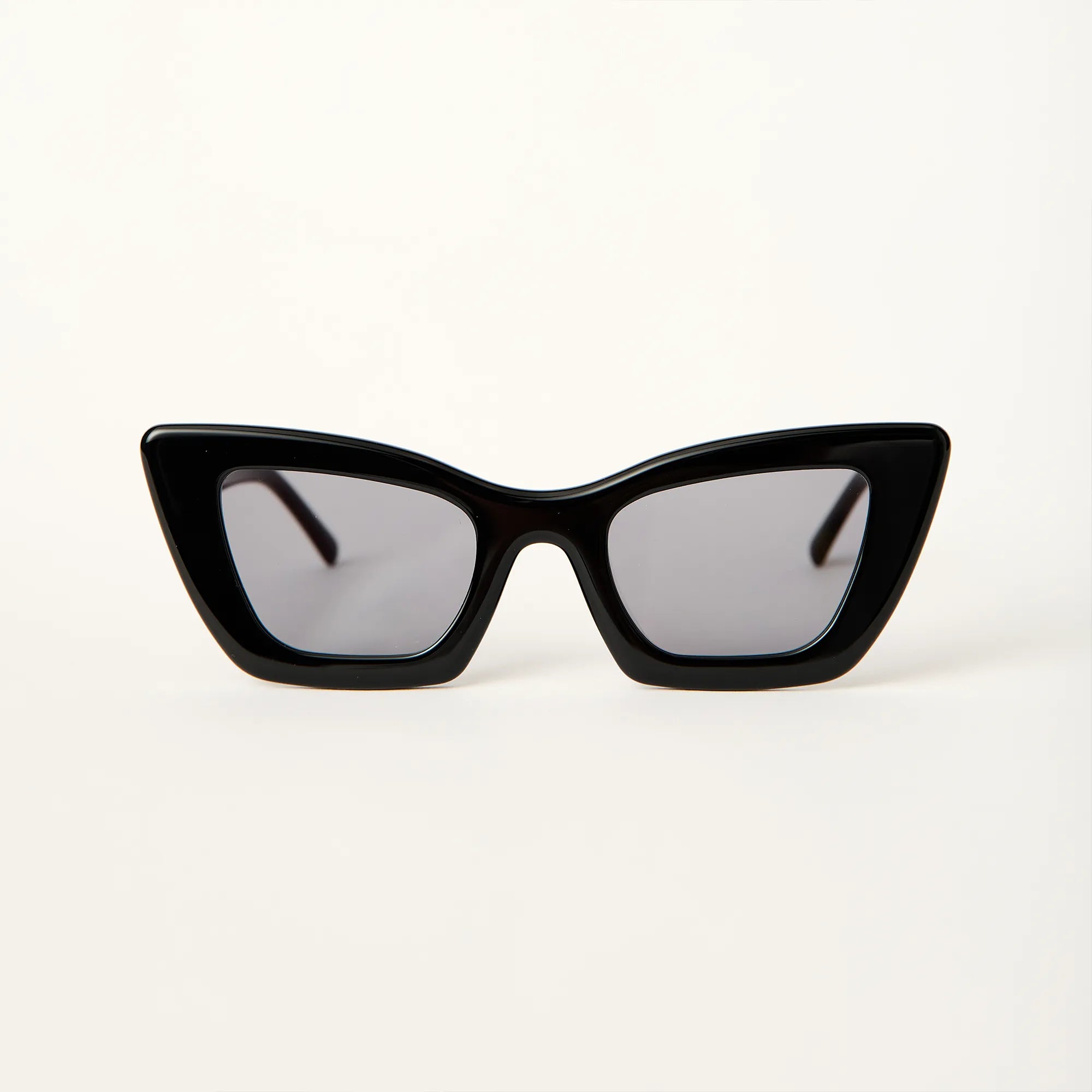
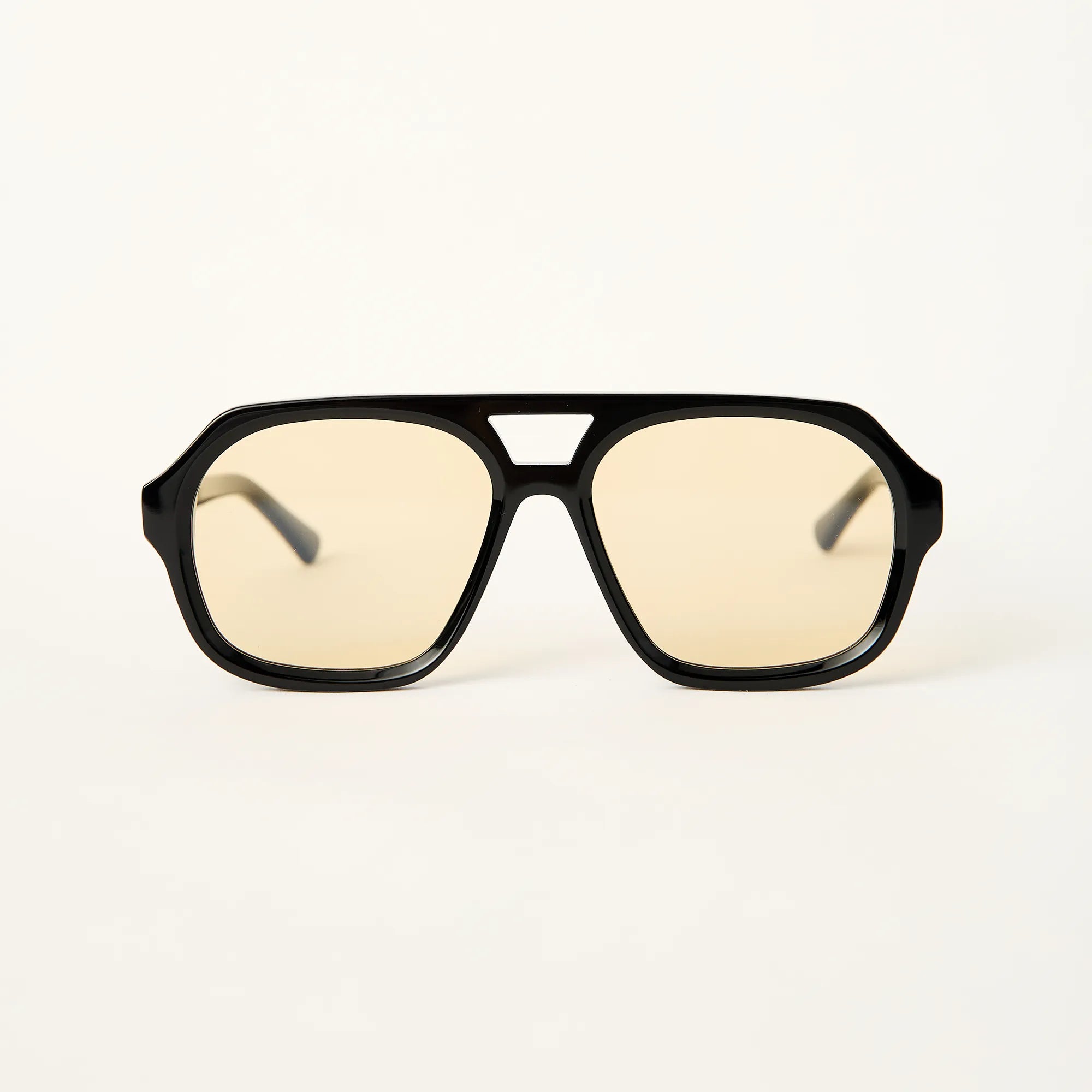
At Hyesun, our range starts from a low nose bridge fit-first perspective. Our sunglasses use enhanced and concealed nose support and a flatter profile so they sit comfortably on your nose, not on your cheeks.
The closer your sunglasses sit to your face, the better the protection.
Small design details like bridge height, nose support, and frame shape determine how well your eyewear actually works. Whether you choose Hyesun or another low-bridge design, make sure your next pair does what it’s meant to, shield your eyes as well as accessorise your outfit.